Carlo Powell · 2 September 2026
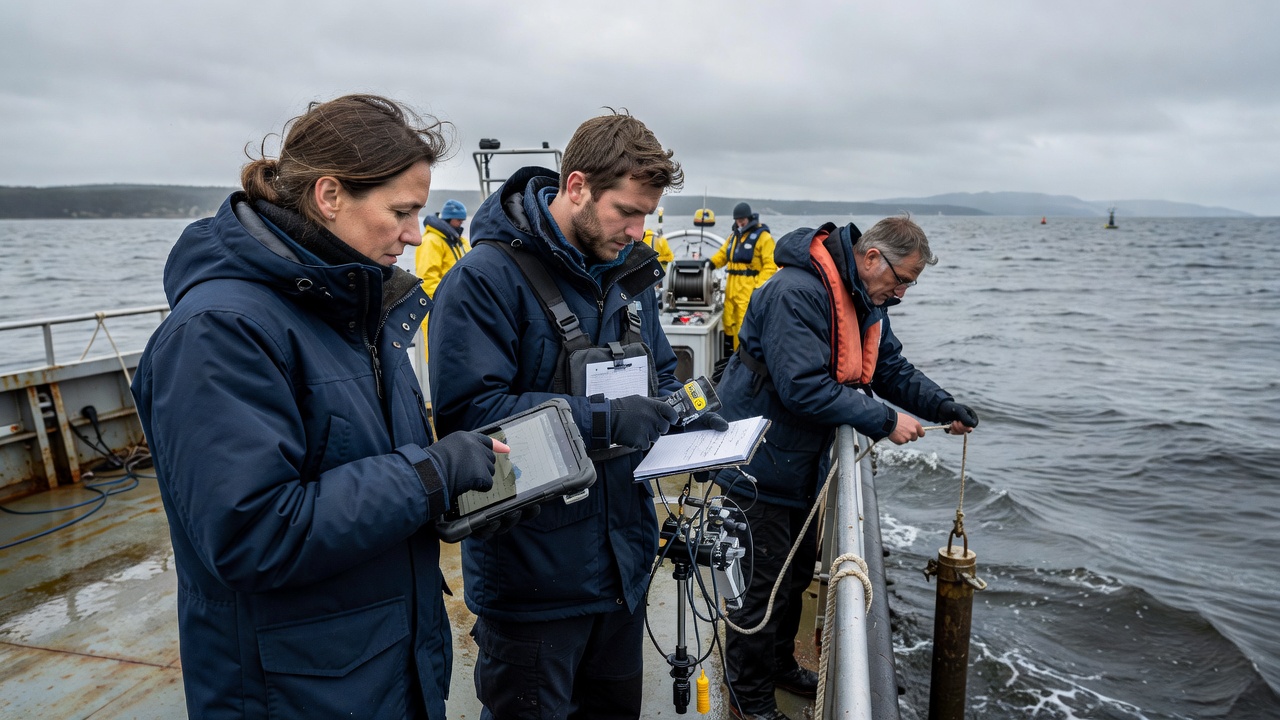
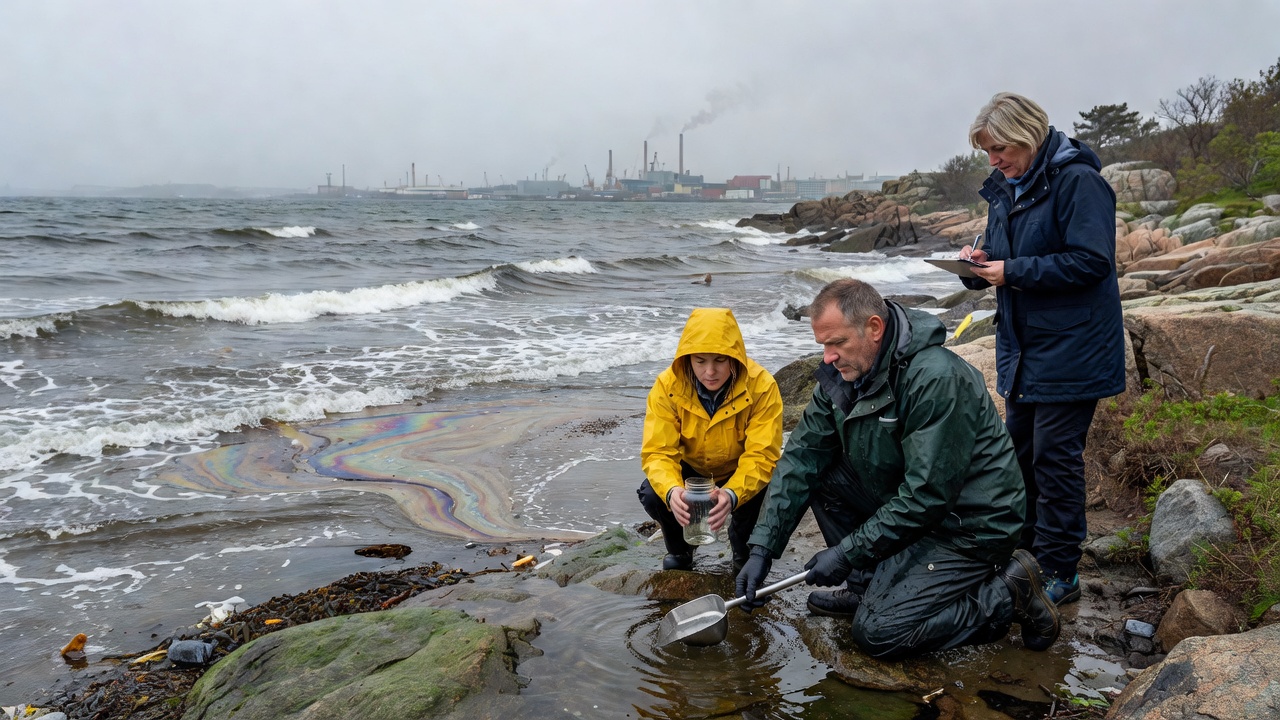
The Vistalab Research Institute has published a detailed five-year study examining pollution dynamics in the Baltic Sea. Scientists analyzed data from 50 monitoring stations focusing on nutrient levels microplastics and chemical contaminants. The report shows mixed progress with some pollutants declining while others rise steadily.
Key Findings from the Research
Results indicate a 15 percent drop in nitrogen concentrations linked to better farming regulations across neighboring countries. Phosphorus levels remained stable but microplastic particles increased 22 percent near urban coasts. Advanced satellite and sensor technologies enabled precise tracking of seasonal variations. Climate factors such as warmer waters appear to accelerate pollutant spread according to the models developed by the team. The study also notes reduced heavy metal deposits in open waters yet persistent issues in river estuaries. Researchers stress that international cooperation has driven positive changes but emerging contaminants require urgent attention. Over 200 samples were processed monthly to ensure robust statistical validity.
Team members highlight the value of long-term datasets for understanding ecosystem responses. Publicly available summaries encourage further academic collaboration on marine health.
Implications for Environmental Policy
Policy recommendations include stricter controls on plastic waste and expanded monitoring networks. The institute advises Baltic states to harmonize regulations on agricultural runoff. Future phases will incorporate biodiversity assessments and heavy metal tracking. Vistalab researchers plan workshops with regional authorities to translate findings into actionable strategies. Overall the report underscores ongoing challenges despite measurable gains in certain areas. Sustained funding and cross-border data sharing remain essential for continued improvement. This work supports broader European efforts to protect enclosed seas from cumulative human impacts. Detailed methodology and raw datasets are accessible via the institute repository for independent verification.