Clara Lange · 2 September 2026
Analysis of Pollutant Concentrations
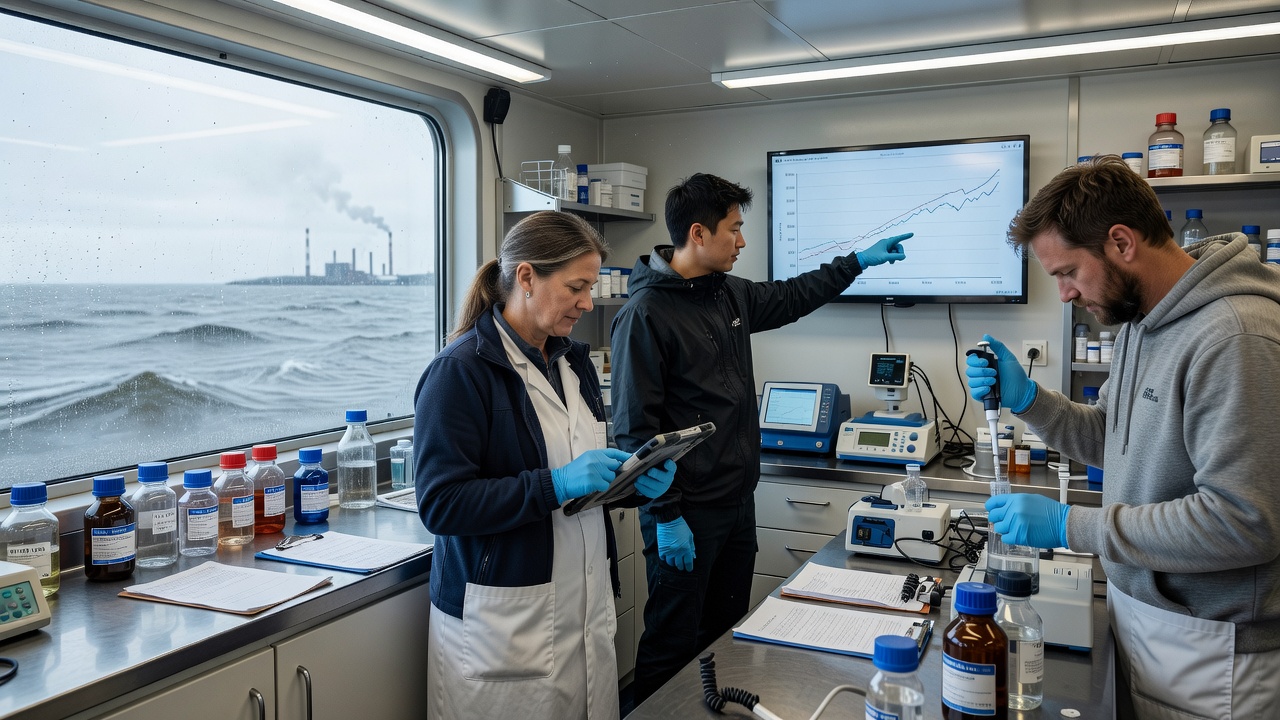
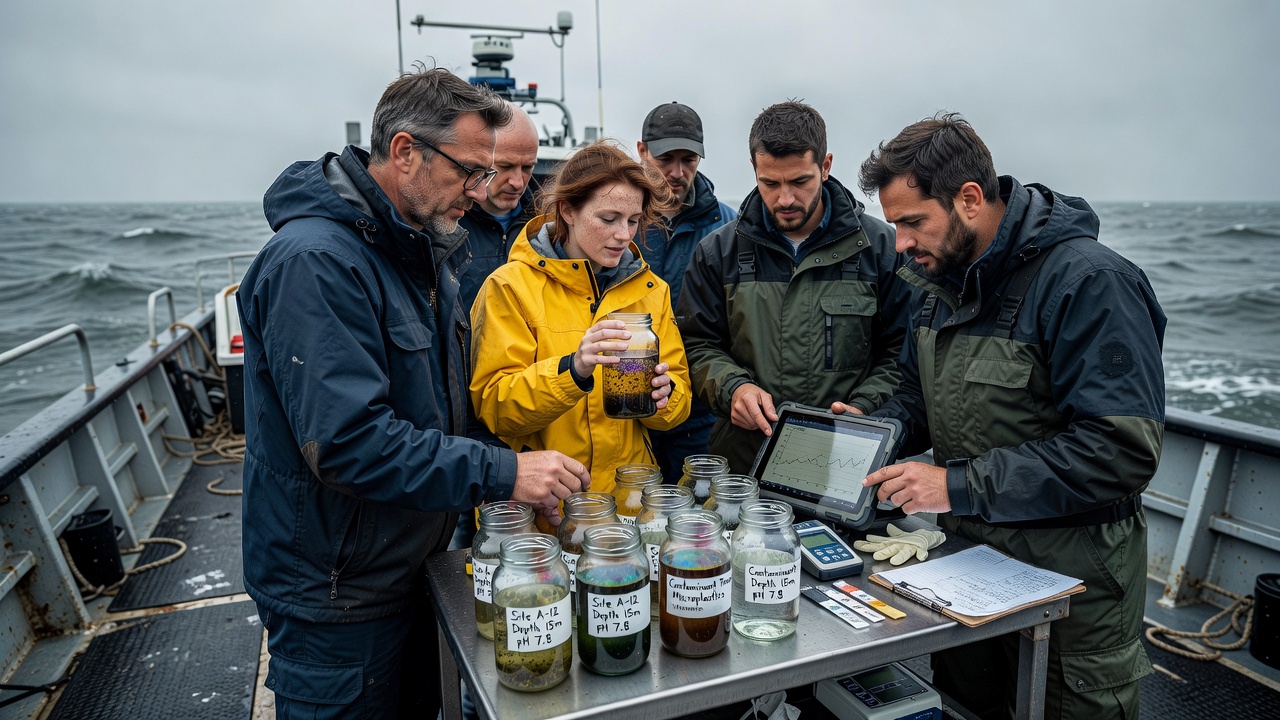
The Vistalab Research Institute has released a comprehensive report detailing recent trends in pollution levels across the Baltic Sea. Researchers collected data from multiple monitoring stations over the past five years, analyzing samples for heavy metals, nutrients, and emerging contaminants such as microplastics and pharmaceuticals. The study reveals a notable decline in nitrogen and phosphorus levels, attributed to improved wastewater treatment facilities in surrounding countries. However, concentrations of microplastics have increased by 15 percent since 2018. Lead and mercury levels remain stable but above recommended thresholds in certain coastal areas. The team employed advanced modeling techniques to predict future scenarios under different climate conditions. These models suggest that rising temperatures could exacerbate the release of stored pollutants from sediments. Data indicates seasonal variations, with higher pollution during spring runoff periods. Collaboration with international partners ensured standardized measurement protocols across Estonia, Latvia, and Finland.
Seasonal sampling showed peak nutrient loads in April and May, linked to agricultural activities. The institute used satellite imagery combined with on-site sensors to map pollution dispersion patterns more accurately than previous efforts. Results indicate that while some legacy pollutants are decreasing, new synthetic compounds are entering the ecosystem at concerning rates. Researchers emphasize the role of river inflows from the Vistula and Oder in transporting contaminants from inland sources.
Broader Environmental and Policy Impacts
These results have significant implications for regional environmental policies. Authorities in Poland, Sweden, and Germany are reviewing the data to adjust agricultural runoff regulations and industrial emission standards. The institute recommends enhanced filtration systems for industrial discharges to address microplastic issues. Public awareness campaigns are also proposed to reduce plastic use and promote sustainable farming practices. Long-term monitoring will be essential to track the effectiveness of these measures. The research highlights the interconnected nature of marine ecosystems and human activities, noting potential risks to fisheries and tourism. Future studies will focus on the impact on marine biodiversity, including fish populations and seabirds that rely on the Baltic for breeding. Overall, the report provides a data-driven foundation for sustainable management of the Baltic Sea, urging coordinated action among all nine bordering nations to mitigate ongoing threats.
Funding for the project came from the European Union’s marine research program, enabling extensive fieldwork and laboratory analysis. Vistalab scientists stress that continued investment in monitoring technology is critical for early detection of emerging pollutants. The findings are expected to inform updates to the Baltic Sea Action Plan by 2026.