Otto Wolf · 2 September 2026
Researchers at Vistalab Research Institute have released a comprehensive report detailing evolving pollution patterns in the Baltic Sea. The study, based on five years of monitoring across multiple sites, highlights both progress and emerging challenges in the region's marine environment.
Methodology and Data Collection
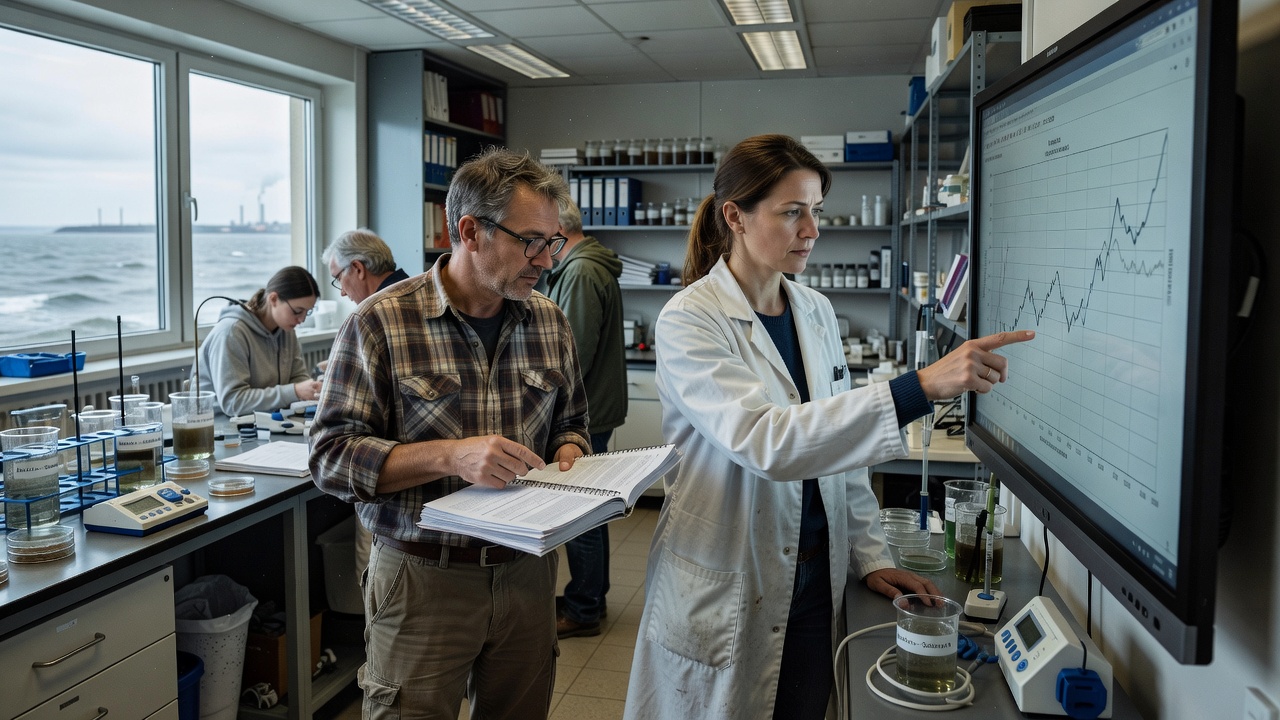
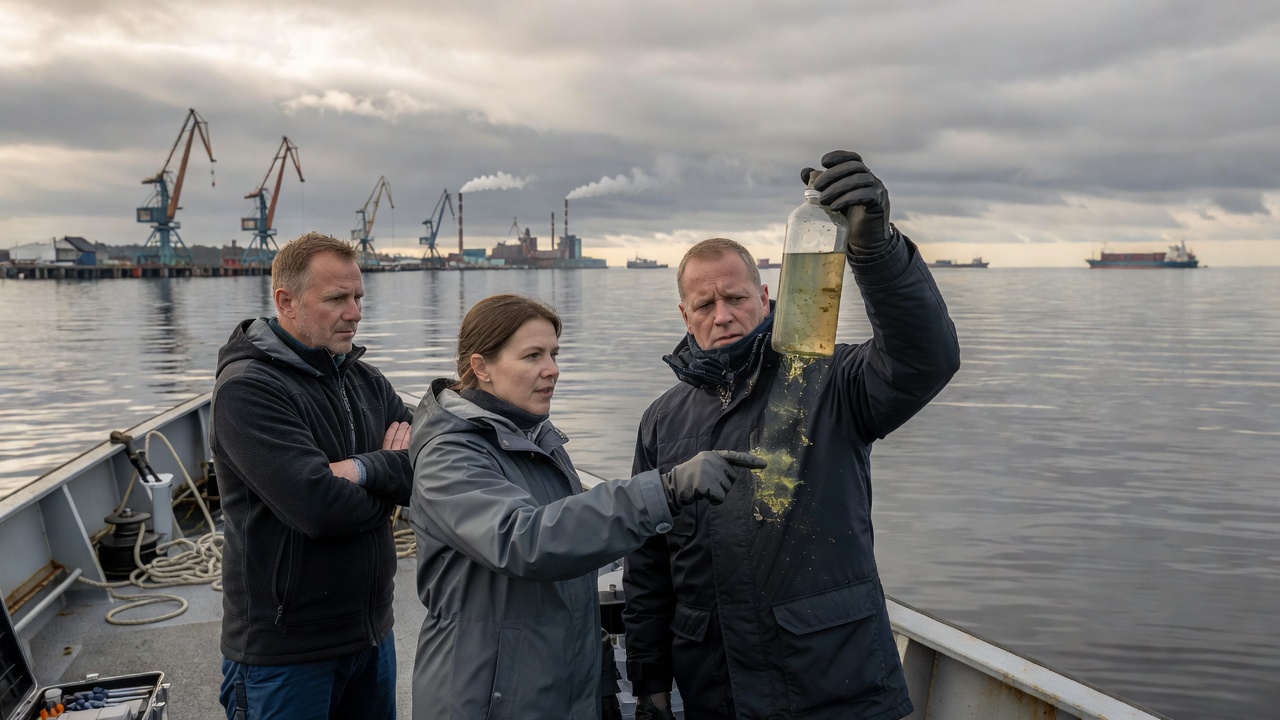
The team analyzed water, sediment, and biota samples from 12 locations spanning the Gulf of Bothnia to the Danish straits. Advanced spectrometry and genomic sequencing techniques tracked nutrients, heavy metals, persistent organic pollutants, and microplastics. Annual sampling occurred in spring and autumn to capture seasonal variations, with additional winter expeditions in 2022 and 2023 to assess ice-cover effects on pollutant distribution.
Data integration with satellite imagery and hydrodynamic models allowed researchers to map pollutant transport pathways influenced by river inflows and shipping lanes. Collaboration with regional environmental agencies provided historical datasets dating back to 1995 for trend analysis.
Major Results and Recommendations
Results indicate a 22 percent decline in nitrogen concentrations since 2018, attributed to improved wastewater treatment in Poland and Sweden. Phosphorus levels stabilized but remain elevated in coastal zones near agricultural runoff areas. Heavy metal concentrations, particularly mercury and cadmium, showed modest reductions, though legacy sediments continue to release toxins under anoxic conditions.
Microplastic abundance increased by 35 percent over the study period, with polyethylene and polypropylene fragments dominating surface waters. Pharmaceutical residues, including antibiotics and antidepressants, appeared at detectable levels in 70 percent of samples, raising concerns about antibiotic resistance in marine bacteria. Fish tissue analysis revealed bioaccumulation of certain contaminants in cod and herring populations.
The report recommends expanded monitoring of emerging contaminants, stricter ballast water regulations for vessels, and targeted restoration of wetlands to filter agricultural runoff. Vistalab scientists emphasize that sustained international cooperation remains essential to meet Baltic Sea Action Plan targets by 2030.