
Sam Hoffmann · 2 October 2026
Scholars Worldwide Combine Microscopy Skills with Expanding Neural Networks to Improve Open Access Environmental Data
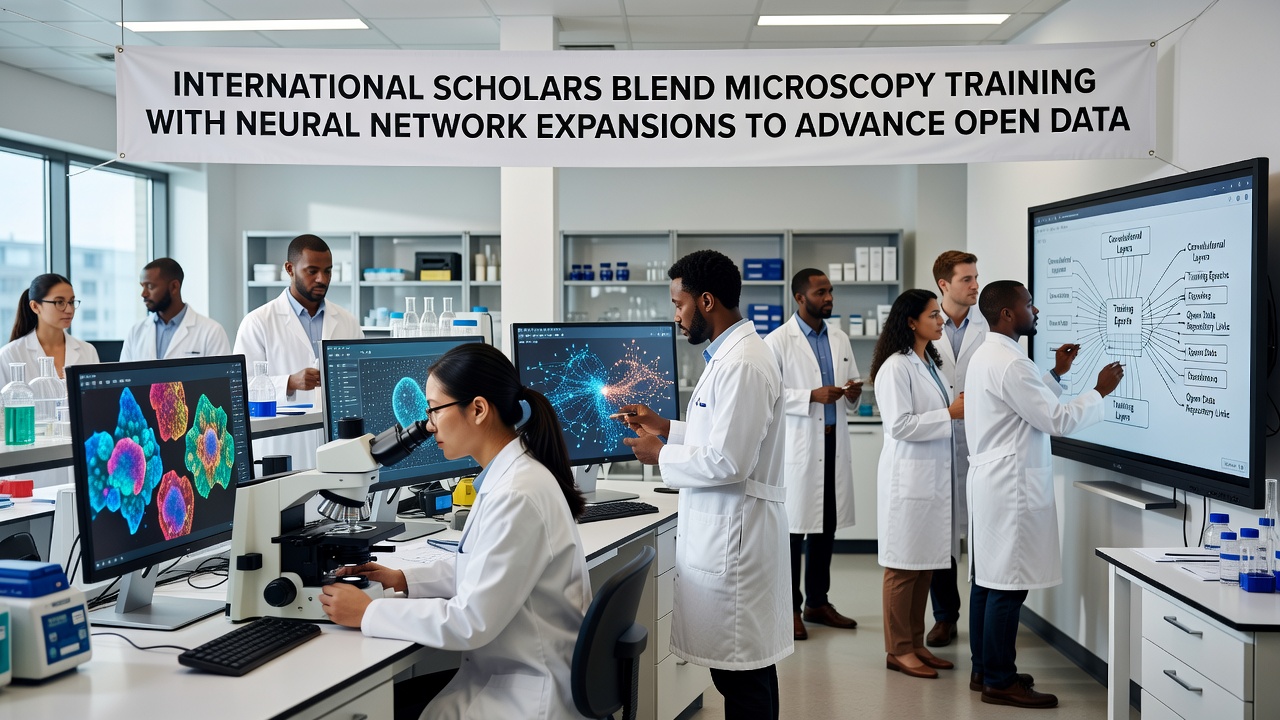
Teams of researchers from multiple continents have started merging hands-on microscopy instruction with expanded neural network models, and this approach aims to strengthen open datasets covering soil composition and water quality parameters across varied ecosystems. Training sessions now incorporate both traditional slide preparation methods and digital annotation practices that feed directly into machine learning pipelines, while participants learn to calibrate instruments for consistent image capture under different lighting and magnification conditions.
Core Components of the Blended Approach
Participants typically begin with standard optical and electron microscopy protocols that highlight particle size distribution, microbial presence, and mineral structures in soil samples, yet they simultaneously receive instruction on labeling those images for neural network training sets. Data from these sessions flows into repositories where algorithms refine detection of contaminants such as heavy metals or nutrient imbalances, and the same workflow applies to water samples where researchers capture images of suspended solids, algae colonies, and chemical precipitates. Studies from institutions in North America, Europe, and Asia show that shared training protocols reduce variability in image quality, which in turn improves model accuracy when networks process new submissions from field stations.
Training Programs Across Regions
Workshops organized through university consortia now run for two to three weeks and combine laboratory practice with coding modules, so attendees practice both microscope operation and basic neural network fine-tuning on the same datasets. One program hosted in Poland during 2025 drew scholars from Australia and Canada, where they processed paired soil cores and river water filtrates to build annotated libraries that later supported models detecting microplastic fragments. These efforts align with broader open science mandates, and figures from the U.S. Environmental Protection Agency indicate that publicly available soil and water image collections have grown by more than 40 percent since similar collaborative formats began appearing three years ago.
Neural Network Expansions and Data Processing
Neural networks used in these projects have expanded beyond simple classification tasks to include segmentation and anomaly detection layers that handle variable sample thicknesses and staining differences, while developers continue adding transfer learning steps that allow models trained on temperate soils to adapt to arid or tropical conditions with minimal new labels. Researchers report that incorporating microscopy metadata such as magnification level and illumination type into the network architecture further boosts performance, and open-source code repositories now host updated versions that accept contributions from any registered laboratory. The result appears in faster turnaround times when new water samples arrive from remote monitoring sites, because pre-trained models can suggest initial categorizations that human reviewers then confirm or correct.
Open Data Repositories and Accessibility
Centralized platforms now store both raw images and processed outputs under Creative Commons licenses, allowing any user to download training sets or run inference on uploaded samples without registration fees. European Environment Agency records show increased downloads of soil hydrology datasets since these blended programs started publishing their annotated collections, and similar trends appear in Australian government portals that track basin-wide water quality metrics. Contributors follow standardized metadata schemas that record location coordinates, collection dates, and instrument settings, which helps downstream users filter results for specific research questions such as seasonal nutrient cycling or post-flood sediment analysis.
Events Scheduled for October 2026
A major international symposium set for October 2026 in Warsaw will focus on scaling these combined methods to additional sample types, including sediment cores from lake beds and groundwater filters, while organizers plan live demonstrations of updated neural network versions that accept real-time uploads from field microscopes. Sessions will cover calibration standards across different instrument brands and strategies for maintaining annotation consistency when teams operate in multiple time zones, and preliminary agendas list breakout groups dedicated to expanding coverage of coastal and permafrost regions. Attendance is expected to exceed previous gatherings because virtual participation options will allow scholars without travel funding to join training modules and contribute feedback on model performance.
Conclusion
Continued expansion of these collaborative frameworks depends on sustained funding for shared instrumentation and cloud computing resources, yet the pattern of integrating microscopy training directly with neural network development has already produced measurable growth in accessible environmental datasets. Observers note that the October 2026 gathering may accelerate adoption of common protocols across additional countries, and ongoing contributions from diverse regions should further enrich the open repositories that support soil and water system research worldwide.